Digital Marketing Strategies for Small Businesses
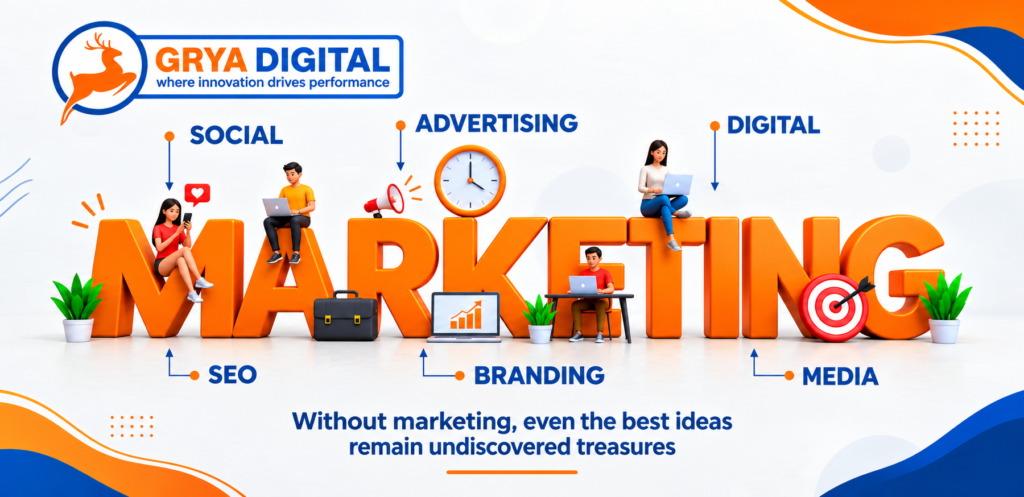
Digital marketing strategies for Small businesses need a strong online presence to reach new customers, build trust, and compete in today’s digital marketplace. With the right digital marketing strategies for small businesses, companies can improve their visibility, generate leads, and build long-term customer relationships without depending only on traditional advertising.
Digital marketing allows businesses to connect with their target audience through search engines, social media, websites, content, email, and online advertising. The key is choosing the right strategies based on business goals, audience, and budget.
Digital marketing strategies are planned activities used to promote a business through online channels. These strategies help businesses attract potential customers, engage with their audience, and encourage them to take action.
- Search Engine Optimization (SEO)
- Social Media Marketing
- Content Marketing
- Local SEO
- Paid Advertising
- Email Marketing
- Video Marketing
- Lead Generation
- Website Optimization
Businesses don’t have to be active on every digital platform. Choosing the channels that best suit their audience and goals is more effective than trying to be everywhere.
Why Digital Marketing Matters for Small Businesses
For small businesses, reaching the right customers can be challenging. Digital marketing provides affordable and measurable ways to promote products and services.
A well-planned online strategy can help businesses:
- Increase brand visibility
- Reach a specific target audience
- Generate quality leads
- Build customer trust
- Improve website traffic
- Increase enquiries and sales
- Measure marketing performance
Unlike traditional marketing, digital platforms allow businesses to understand how people interact with their campaigns and make improvements based on performance.
10 Effective Digital Marketing Strategies for Small Businesses
1. Search Engine Optimization
SEO helps a website appear in search engine results when potential customers search for relevant products or services. Keyword research, useful content, technical SEO, and quality backlinks can help improve organic visibility. Small businesses should focus on keywords that closely match their products, services, and target locations.
2. Content Marketing
Creating useful content is an effective way to attract and educate potential customers. Businesses can publish blogs, guides, articles, videos, and social media content based on questions their audience commonly asks. Quality content can also support SEO and help establish a business as a knowledgeable source in its industry.
3. Social Media Marketing
Platforms such as Instagram, Facebook, LinkedIn, and YouTube allow businesses to communicate directly with their audience. Regular posts, videos, customer-focused content, and informative updates can increase engagement and keep the brand visible. The content should be created according to the platform and target audience.
4. Local SEO
Local SEO is especially useful for businesses that serve customers in a specific city or area. Optimizing the Google Business Profile, maintaining consistent business information, collecting genuine reviews, and creating location-focused content can help businesses improve local visibility.
5. Paid Advertising
Paid advertising through platforms such as Google Ads and social media can help businesses reach potential customers more quickly. Businesses can target advertisements based on factors such as location, interests, search intent, and demographics. Campaign performance should be monitored regularly to manage the advertising budget effectively.
6. Email Marketing
Email marketing helps businesses stay connected with existing and potential customers. Businesses can use emails to share offers, updates, useful information, newsletters, and new services.
Personalized and relevant emails are more likely to generate engagement than sending the same message to everyone.
7. Video Marketing
Video has become an important part of online marketing. Short videos, educational videos, product demonstrations, and customer-focused videos can help businesses explain their services in an engaging way.
Video content can be shared across websites and social media platforms to reach different audiences.
8. Lead Generation
Generating website visitors is only one part of digital marketing. Businesses also need to convert interested visitors into enquiries or leads.
Clear calls-to-action, enquiry forms, landing pages, WhatsApp communication, and useful offers can help businesses encourage potential customers to take the next step
9. Website Optimization
A business website is often the first place potential customers go for more information. The website should be easy to navigate, mobile-friendly, fast, and provide clear information about products or services.
Strong website content and simple enquiry options can improve the chances of converting visitors into customers.
10. Track and Improve Performance
Digital marketing should be continuously monitored. Businesses can track website traffic, keyword rankings, social media engagement, enquiries, conversions, and advertising results.
These insights help identify what is working and where improvements are needed.
Common Digital Marketing Mistakes to Avoid
Small businesses sometimes make the mistake of trying every marketing channel without a clear plan. Other common mistakes include:
- Targeting the wrong audience
- Publishing content without a strategy
- Ignoring SEO
- Having an outdated website
- Focusing only on follower numbers
- Not tracking leads and conversions
- Expecting immediate results from organic marketing
A consistent and data-driven approach is more effective than using too many strategies without direction.
How GRYA Digital Helps Small Businesses
GRYA Digital helps small businesses build their online presence through digital marketing solutions designed around their business goals. From SEO and social media marketing to content marketing, website development, and lead generation, businesses can use different digital channels to reach their target audience.
A strategic approach helps businesses improve online visibility, attract relevant traffic, generate enquiries, and build a stronger digital presence.
Conclusion
Digital marketing gives small businesses opportunities to compete, connect with customers, and grow online. The most effective approach is not about using every available platform. It is about understanding the target audience, selecting the right strategies, creating valuable content, and consistently measuring results.
With the right digital marketing strategies for small businesses, even a growing business can build a strong online presence and create sustainable opportunities for growth.
FAQs
1. What is the best digital marketing strategy for a small business?
SEO, content marketing, social media marketing, local SEO, and lead generation can be effective. The right strategy depends on the business and its target audience.
2. How long does digital marketing take to show results?
The timeframe varies by strategy. Paid advertising can generate results quickly, while SEO and content marketing generally require consistent effort over time.
3. Is SEO important for small businesses?
Yes. SEO can help small businesses improve organic visibility and reach people who are actively searching for their products or services.
4. Should small businesses use social media marketing?
Yes, when their target customers actively use those platforms. The focus should be on relevant content and meaningful engagement rather than simply increasing followers.